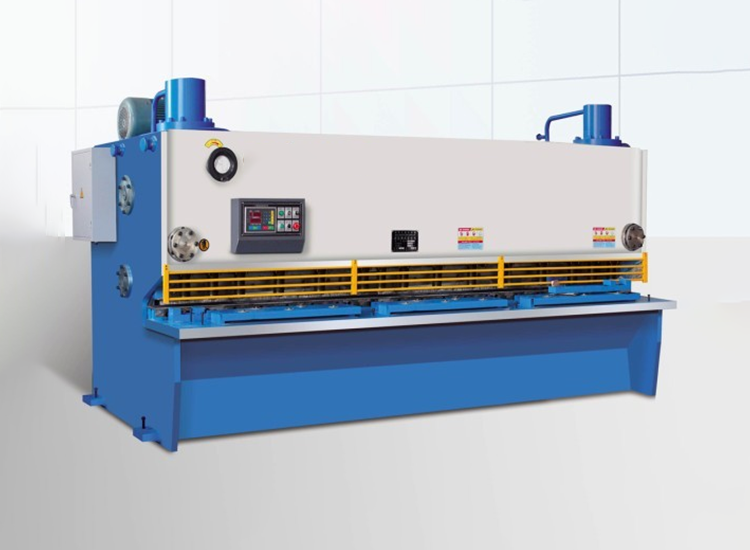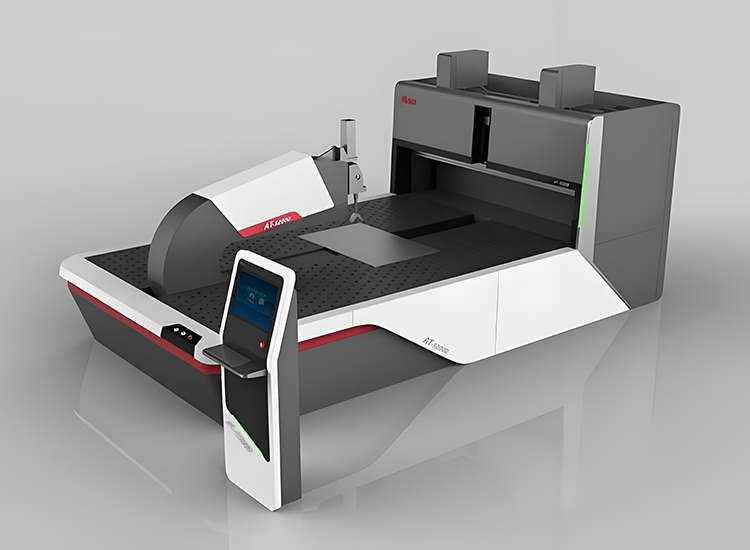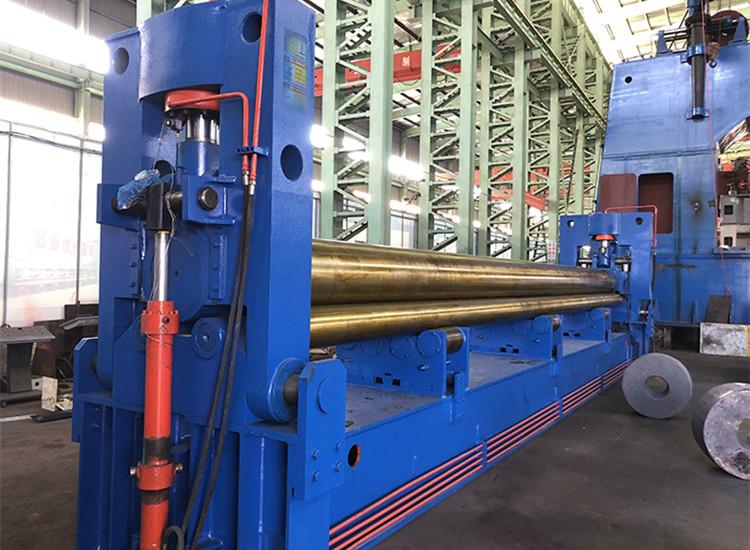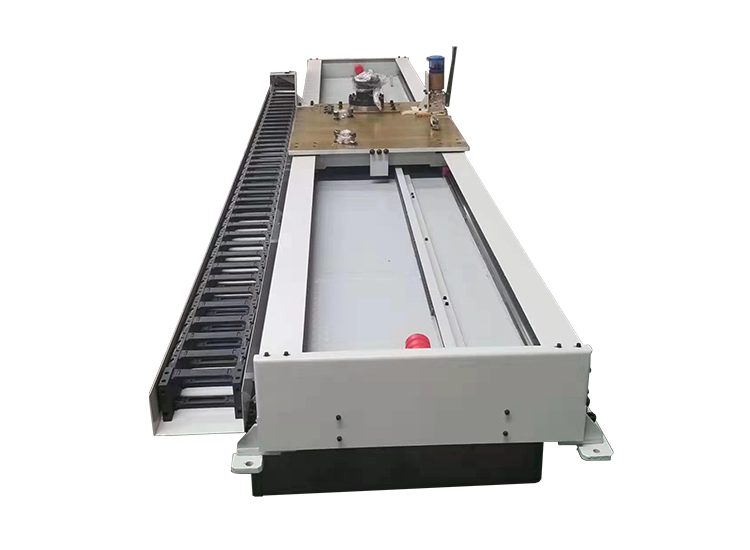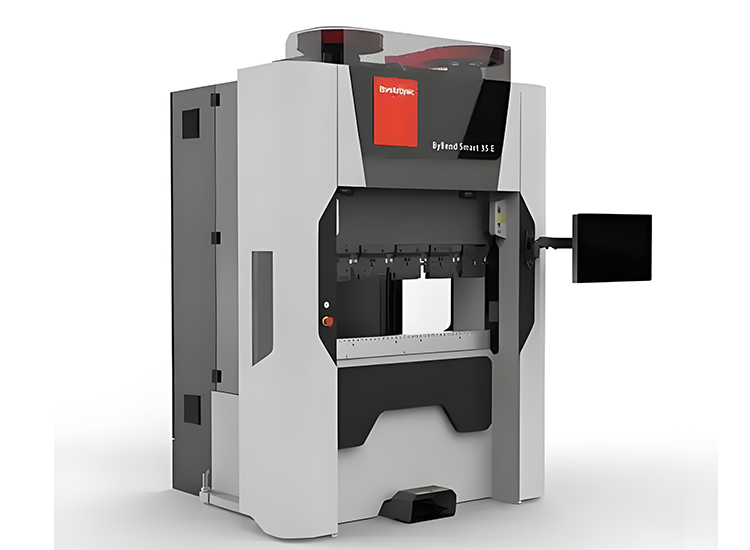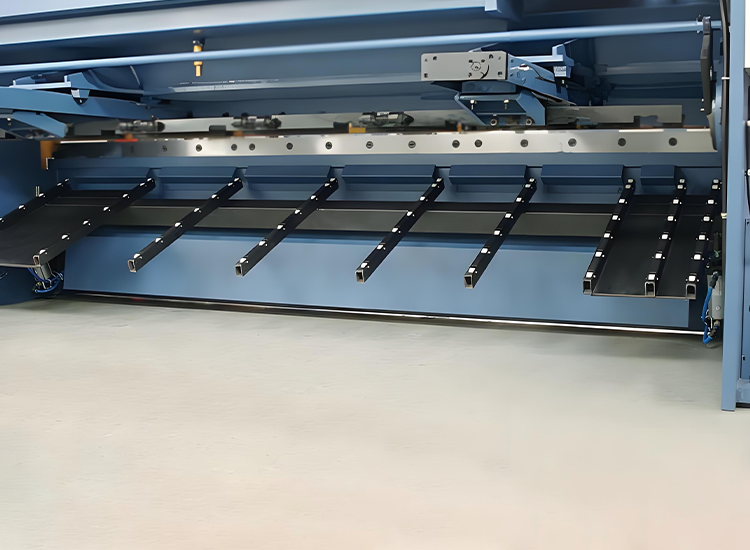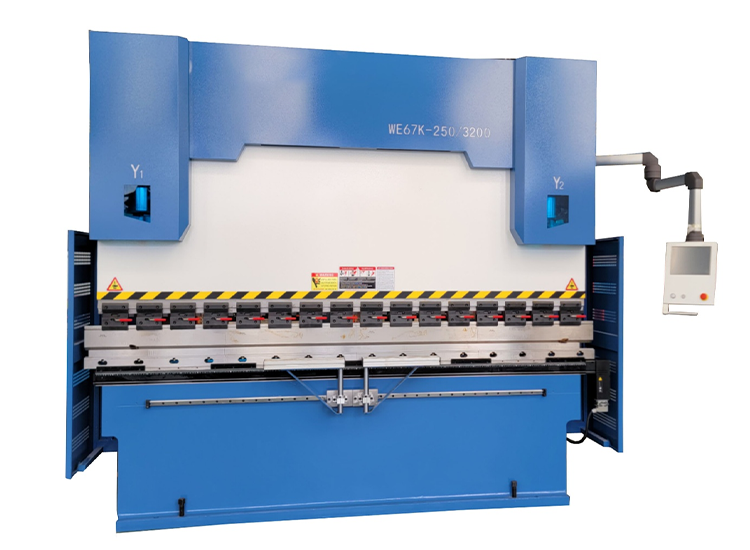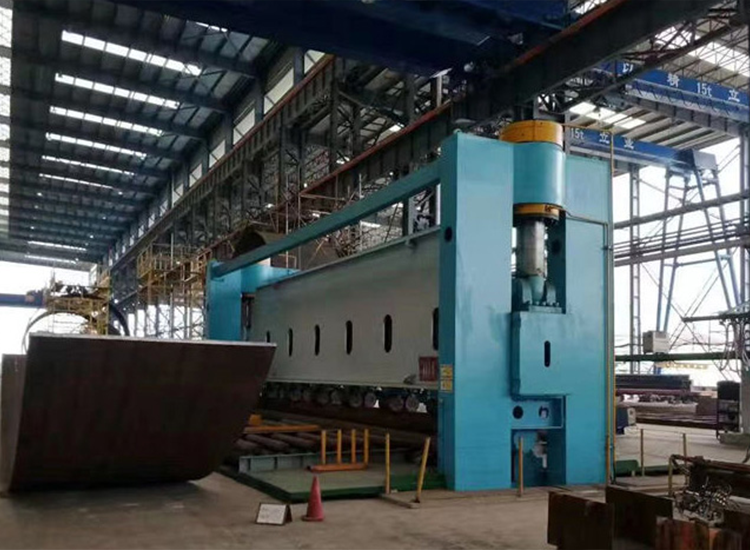
A rolling machine is a machine tool that performs cold forming on a piece of metal. It is suitable for a very wide range of applications, such as construction, manufacturing and metal working. Rolling machines operate by pushing thick metal sheets or rods through a pair of rolls to reduce them, at which point you can mould them into different forms more easily. Rolling machines come in various styles, including one that can roll sheets of metal into a cylinder or bend it into a curve. Mechanical rolling machine can save time and effort so much, so they are widely used in the factory or the repair shop. At WEILI, we focus on the production of high-end machine rolling which are tailored to our customers.
It is very crucial to get the right supplier for rolling machines. You seek a company you can trust to provide dependable, durable products at a price that works for your budget. The best place to start is online. There are many sites which carry lists of suppliers of industrial equipment. Seek out companies with good reviews and a strong reputation. You can also attend trade shows or industry fairs where manufacturers will display their products. This gives you an opportunity to see the machines in use. When searching for wholesale suppliers, inquire about their warranty and customer service. After all, you want to know that if something goes wrong, you’ll have the support you need. And don’t forget to see if they offer bulk discounts. You can expect to save money if you purchase multiple machines. You should also query other businesses about their suppliers. Hearsay can direct you to reliable sources. At WEILI, losing a cheap machine is nothing compared to loosing a good friend.
What to look for in top quality rolling machines? That they should be strong and lasting. This makes them able to resist heavy use without getting worn down quickly. Versatility is also a great thing to expect from a rolling machine. That means it can work with various materials, including metal, plastic or even wood. Another crucial element is the size of the machine. Some enterprises are seeking smaller machines for tight spaces, while others may need them in bigger sizes for bigger jobs. Ease of use is also a crucial factor. User-friendly controls on machines ease the way for workers to take control of them. Safety features are crucial, too. Where there is danger some sort of guard or an automatic device to stop the machine is added. Finally, an ideal metal rolling machine will use electricity efficiently. This saves the environment and money. From the WEILI point of view, we design our machines according to these requirements, so that you can benefit from its great performance.
Rolling machines are valuable equipment that will help your business to work faster and better. They are machines designed to shape materials such as metal and plastic into thin sheets or forms. Makers like WEILI are able to produce these materials faster with a rolling machine than they can by hand. This enables them to produce more in less time, a boon for serving customers. When a company can work faster, it generally also can sell more of its items, which means higher profits. That is why factories love rolling machines.

Another efficiency advantage has to do with the consistency rolling machines will provide. When workers attempt to shape materials by hand they can make mistakes. These errors could result in products that are not the right size or shape. Rolling machines, on the other hand, can create that shape again and again, with zero mistakes. In other words, every product will have the same look and everything will work well together. For instance, if a company is making parts for a car, every part must be identical. A roll machine can ensure every part is just right.

While the rolling machines make life easier for most people they can cause some problems every now and then. One common complaint is that the machine does have room to not roll materials evenly. This can occur for a variety of reasons, including if the machine is not configured properly, or the materials are not inserted into the machine in the appropriate manner. When that does, the end product can be uneven, and this isn't conducive to quality work. To avoid this little incident, operators should check the machine setting first before starting. It is also necessary to ensure that the materials are straight and coming through the machine squarely.

Finally, occasionally rolling machines may require maintenance. Just as a car requires regular oil changes, rolling machines need to be checked to ensure everything is running smoothly. If parts are not lubricated, or if something is not tightened correctly, it can cause bigger problems down the road. Companies like WEILI can now compose a maintenance-check list and timetable, guaranteeing their machines operate smoothly. That way they can circumvent a lot of problems before they even begin.