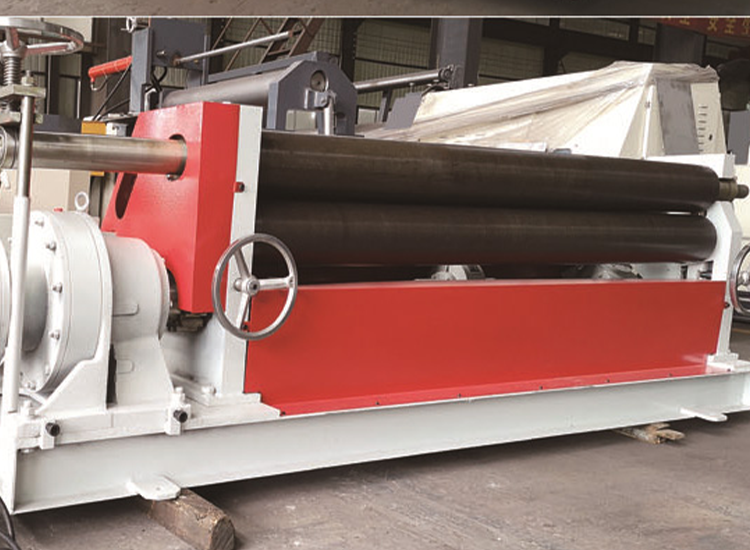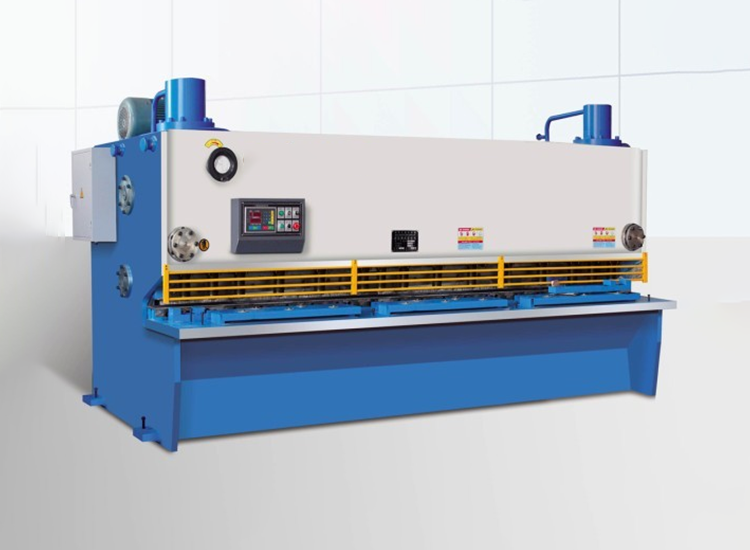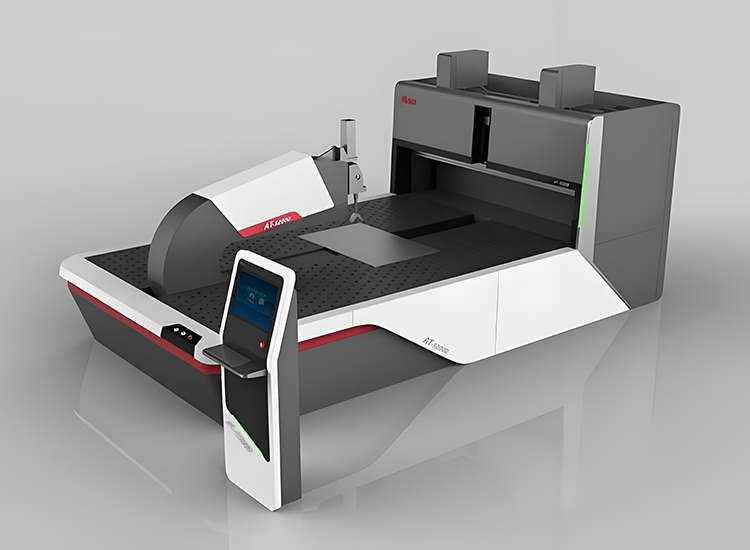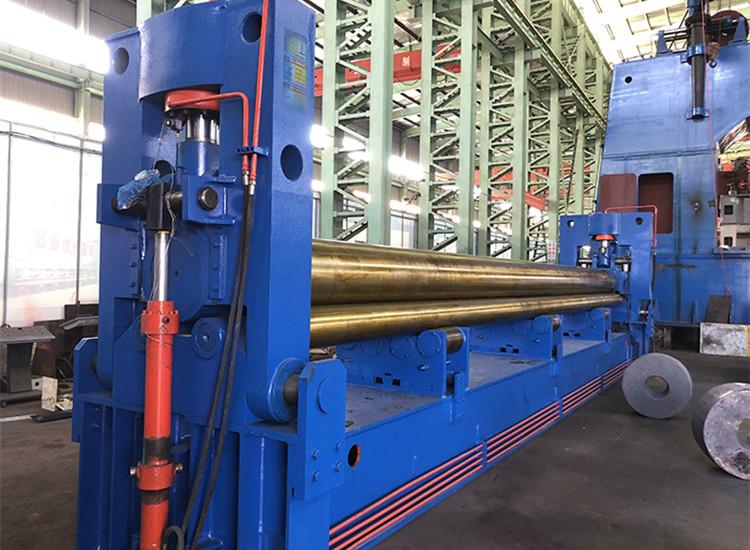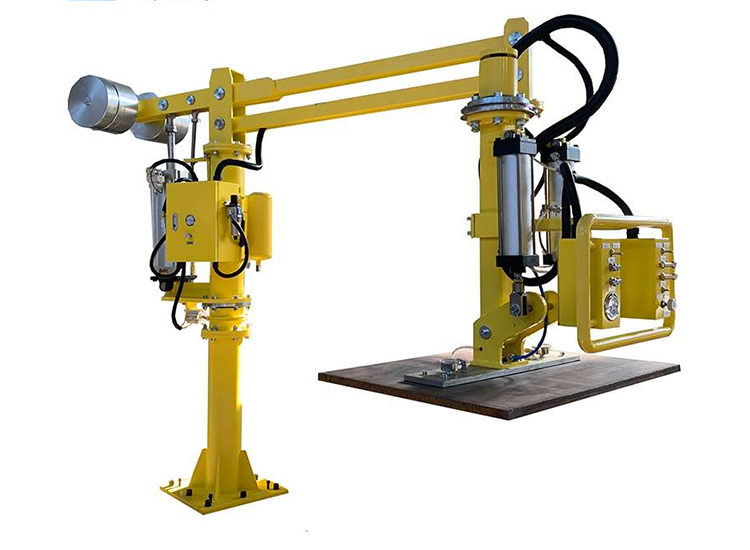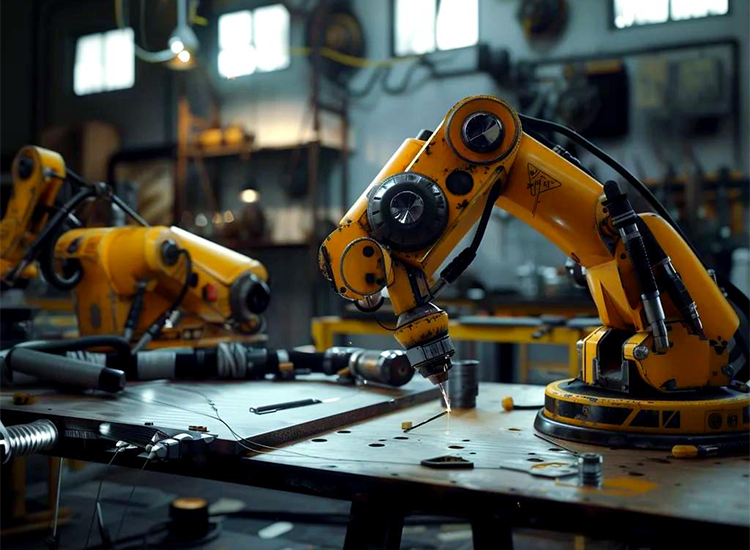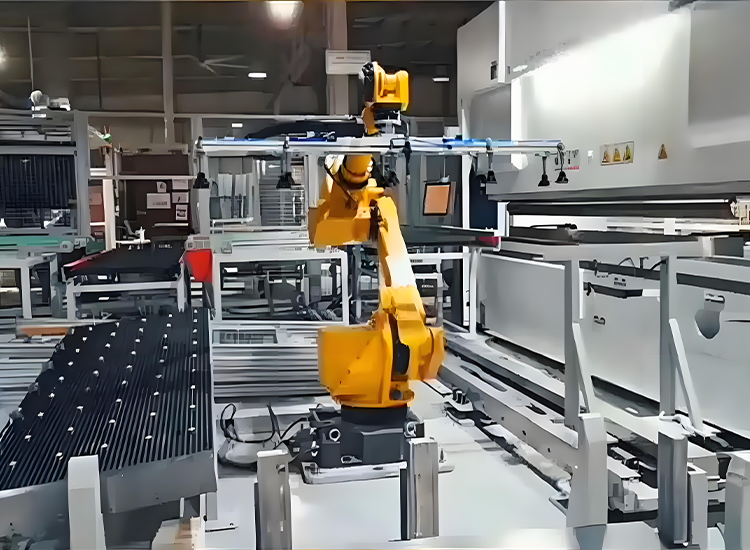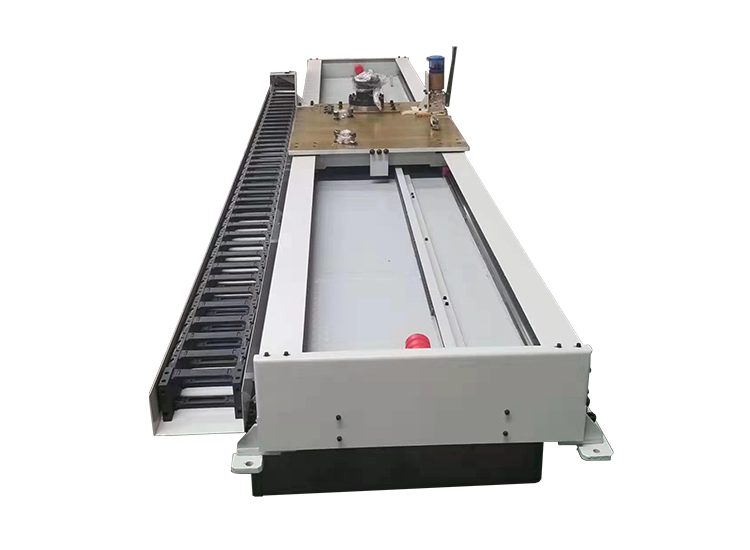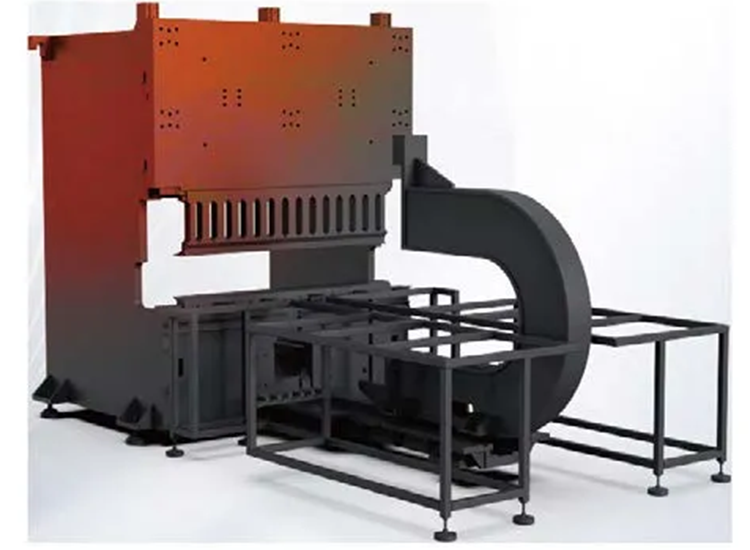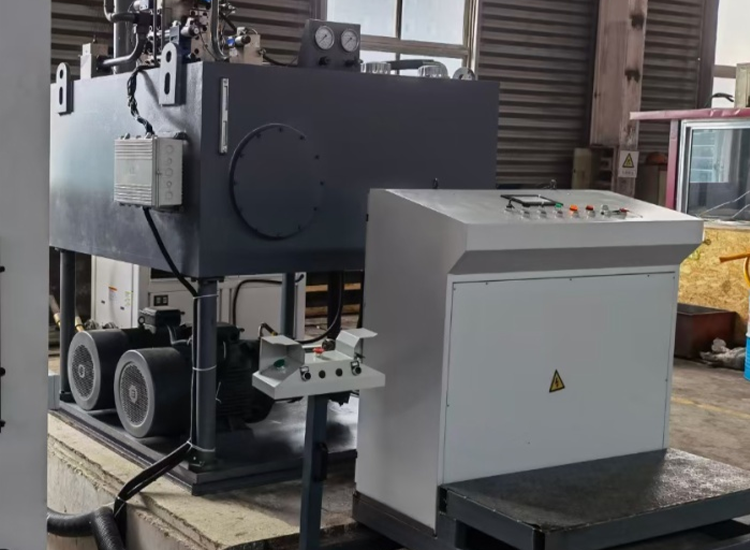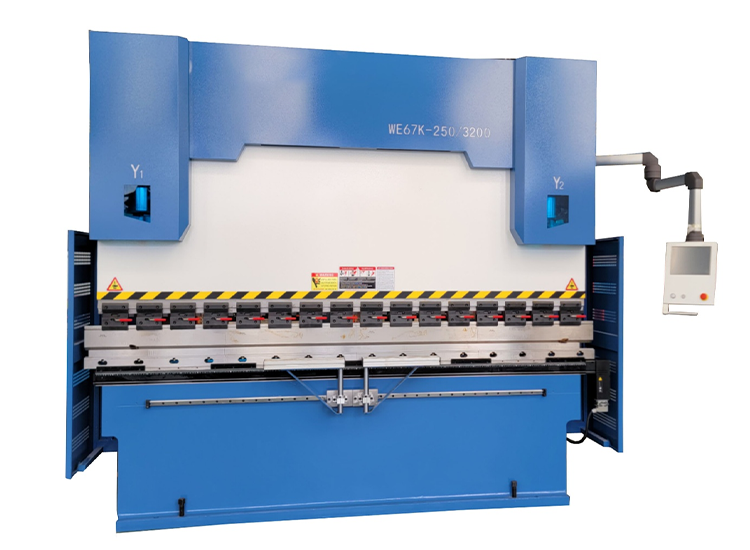
A hydraulic bender is a machine that shapes metal into various alternatives. It works by using hydraulic power to bend and fashion pieces of metal, and is an important tool in factories. When people produce parts from metal such as frames, pipes, or other elements, a hydraulic bender makes the task easier and more accurate. At WEILI, we understand how critical these machines are to metal fabrication and have worked hard to find innovative solutions for our customers in the form of high precision hydraulic benders that help them get their jobs done right.
Hydraulic bender are complex devices that play an important role in metal fabrication since they have the capability to bend heavy metals with great force and accuracy. While manual bending involves being hard on your body (and requires more effort), hydraulic benders use the pressure of fluids to get it done. That leaves them free to bend thick or tough metal that would be impossible to shape by hand. For instance, consider constructing a sturdy metal frame for a truck. Using a hydraulic bender makes it simple to custom bend these angles and make a safe solid frame. It’s time saving and helps avoid the chance of error. Hydraulic benders, too, are able to bend different kinds of metal ¬such as steel or aluminum making them versatile for many projects. Companies can also produce parts more rapidly and more items in less time. That is critical to satisfy what customers want. Furthermore, with a hydraulic bender there can be less waste as the bends are more exact. Every bit of metal counts, and when the job is done properly, there is less scrap left over. For you in metalworking, having a good hydraulic bender makes your productivity and profitability skyrocket. We get it: quality hydraulic bending equipment is vitally important to our customers, and that’s what you can expect from it.
Key specifications for a great hydraulic bender When shopping for a great hydraulic bender, there are several features you should pay attention to. One, the machine should have sufficient strength to deal with the thickness of the metal you will be bending. This involves testing for the maximum flexural strength. And the thicker the material your bender can handle, the better it’s going to be for bigger projects. Other considerations include the precision with which resulting bending angles are manufactured. A good hydraulic bender will have a system in place that guarantees the metal is bent to the precise degree necessary. That’s vital for projects in which accuracy is important, such as making parts that have to fit together just right. The build quality counts as well; a solid frame and long-lasting materials can be the difference between how long your machine will last. Who wants to buy something that will break easily? Secondly, its ease-of-use is crucial. The controls should be easy and intuitive to use so workers don’t need to spend much time in training learning how to operate the bender. Safety features are also important. Seek out machines with safety guards or automatic shut-off features to mitigate accidents. Finally, factor in the Backing and service from the manufacturer. A company like WEILI, for example, sets good customer support and maintenance options which can greatly contribute to the longevity of your bender. Concentrate on these characteristics and you can get a hydraulic bender that fits your requirements and enables you to make high quality work in any of your metal fabrication jobs.
Hydraulic bender machine are a mechanism that allow you to simplify the process of bending metal and other materials. Factories or workshops that need to bend metal pipes or sheets to a different shape frequently utilize what’s called a hydraulic bender. The machine operates by bending materials with liquid pressure. The good news about hydraulic benders is that with the right tooling, any job can be completed easier and faster than bending thick or heavy material manually. That in turn would allow workers to do their jobs more quickly, and safely. For instance, with a hand tool, a worker might spend considerable time bending metal by hand, which is fatiguing and require significant strength. But with a hydraulic bender, it is much easier. Push a button and the machine does all the hard work. This enables factories to churn out more products in less time, and that’s integral to keeping customers satisfied.

Further, hydraulic benders are able to bend materials into exactly shaped configurations. This results in a perfect fit of the finished components. There are many industries, such as construction and manufacturing, where being the right shape is pretty important. If a piece is bent wrong, it can lead to trouble down the road. WEILI hydraulic electric pipe bender allow factories to be confident they're producing pieces that are just right. This precision minimizes waste and saves money by not wasting as much on material. In general, the use of the hydraulic benders shortens production time and enhances quality. And it s the speed and quality that helps businesses thrive in a competitive market.

Hydraulic benders have a wide range of applications, which is why they are used in numerous others industries. In the car industry, on construction sites and in furniture shops, for example hydraulic benders are essential. In the case of the automotive industry, for example, manufacturers must bend metal parts to produce vehicles. By using hydraulic bender they can produce these parts fast and in exact way. What that means is cars can be built faster and cheaper a key to keeping up with customer demand.

Technology in the world of hydraulic benders is constantly evolving. Innovations are helping make these machines even better. Smart tech is the most recent development. Some modern hydraulic bender machine can be linked to computers or smartphones. That is to say that workers can operate them remotely. This is really useful because they can observe the bending process in real time without standing next to the machine. The technology can also monitor how many pieces have been made and whether there are any problems, to make it easier for workers to keep everything running smoothly.