 EN

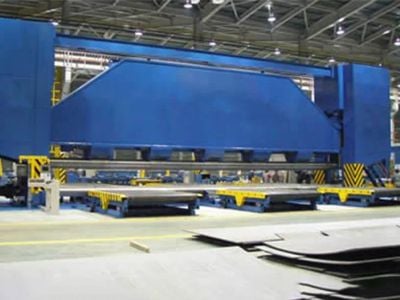
Light-Duty vs. Heavy-Duty 4 Roller Rolling Machines
Light-duty rolling machines and heavy-duty 4 roller rolling machines are two types of equipment used in metalworking. Both help shape metal into curved forms, but they are designed for different applications and workloads. Light-duty machines are suitable for small projects and lighter materials, while heavy-duty machines are built for larger and more demanding jobs. Understanding these differences can help you choose the right rolling machine for your needs.
What Makes Light-Duty Rolling Machines Ideal for Small Projects?
Light-duty rolling machines are compact and relatively simple to operate. They are suitable for small businesses, workshops, or hobbyists who need to bend metal without requiring a high-capacity machine. For example, someone making a small metal frame may find that a light-duty machine provides enough capability for the job. These machines often weigh less and require less floor space, making them useful for workshops with limited room. They can also be more affordable than heavy-duty equipment, which makes them an attractive option for beginners or businesses with smaller budgets.
Another advantage is ease of operation. Many light-duty roller machine have straightforward controls, allowing new operators to learn the basic process without extensive training. Depending on the machine's specifications, they can work with materials such as aluminum and thin steel.
Light-duty machines can be useful for projects such as signs, decorative components, small frames, and sculptures. However, operators should always stay within the machine's rated capacity. Using materials that are too thick or hard can affect the quality of the finished product and may damage the equipment.
How Heavy-Duty 4 Roller Rolling Machines Enhance Industrial Production?
Heavy-duty 4 roller rolling machines are designed for demanding industrial applications. They can handle larger and thicker metal sheets, making them suitable for manufacturing large components, cylinders, pipes, tanks, and structural parts. The four-roller design provides greater control during the rolling process. This can help operators achieve consistent curves and accurate shapes, particularly when processing larger or thicker materials. For factories producing multiple components with similar dimensions, this consistency can help reduce material waste and improve production efficiency.
Another important advantage is durability. Heavy-duty machines are built to withstand demanding working conditions and repeated operation. Their robust construction can help reduce unnecessary downtime when the equipment is properly maintained. These machines can also process stronger materials that may be unsuitable for light-duty roller roll machine. For industrial manufacturers, this combination of capacity, control, and durability can make a heavy-duty 4 roller rolling machine a valuable part of the production process.
Where to Find the Best Wholesale Deals on Rolling Machines?
When searching for wholesale rolling machine deals, start by comparing manufacturers and suppliers. Online industrial marketplaces can provide a convenient way to compare different machines, specifications, and prices. Buyers should look beyond the initial price and examine important factors such as machine capacity, construction quality, available features, warranty coverage, and after-sales support. Trade shows and industrial exhibitions are another useful option. These events allow buyers to inspect machines in person, discuss technical requirements with suppliers, and compare different models. Some manufacturers may also provide special pricing for wholesale orders.
Local machine suppliers can be useful for buyers who prefer in-person service. They may offer installation assistance, maintenance support, and access to spare parts. Online industry communities can also provide useful information about machine performance and common user experiences.
WEILI is another manufacturer to consider when comparing rolling machine options. Buyers should contact the manufacturer directly to discuss their material requirements, production volume, desired machine capacity, and other technical specifications before making a purchase. When purchasing multiple machines, ask suppliers whether they offer volume pricing or customized solutions. Comparing several suppliers carefully can help you find equipment that provides a good balance between price, quality, and long-term performance.
What Are the Key Differences Between Light-Duty and Heavy-Duty Rolling Machines?
Light-duty and heavy-duty rolling machines are designed for different workloads. Light-duty machines are generally smaller, lighter, and easier to move. They are suitable for thin metal sheets and other relatively easy-to-process materials. Their simpler operation can also make them a practical choice for small workshops and occasional use. Heavy-duty rolling machines are larger, heavier, and designed to handle demanding applications. They can process thicker and stronger materials and are better suited to continuous industrial production. Depending on the model, heavy-duty machines may include additional rollers, advanced controls, and other features that provide greater control over the bending process.
The cost is another important difference. Light-duty machines generally require a lower initial investment, while heavy-duty machines cost more because they are designed for higher capacity and more demanding workloads. However, the higher investment in heavy-duty equipment may be justified when production volume and material requirements are high. When selecting between the two, consider your material thickness, production volume, required accuracy, available workspace, and budget. If you mainly perform small jobs, a light-duty rolling machine from WEILI may be sufficient. If you regularly process thick materials or handle large production orders, a heavy-duty 4 rolling machine may be a more appropriate choice.
Common Usage Issues with Light-Duty Rolling Machines
Light-duty rolling machines can be effective when used within their intended capacity, but several common problems can occur when operating them incorrectly. One common issue is bending or warping of the material. This may happen when the material is too thick or strong for the machine. Exceeding the machine's rated capacity can produce poor results and may put unnecessary stress on the rollers and other components. Always check the manufacturer's specifications before processing a material. Uneven rolling is another possible problem. Incorrect roller alignment, improper setup, or inconsistent pressure can cause the material to bend unevenly. Operators should carefully check the machine's alignment and settings before beginning a job. Material selection is also important. Light-duty rolling machines are not designed for every type of metal or rigid material. Using unsuitable materials can reduce bending quality and potentially damage the equipment. Operators should confirm that the material's thickness, strength, and dimensions are within the machine's recommended working range. Regular maintenance can also help prevent problems. Keeping the rollers clean, checking alignment, inspecting components, and following the manufacturer's maintenance recommendations can support consistent performance. By understanding the limitations of light-duty rolling machines and using them correctly, operators can achieve better results and extend the service life of their equipment. For larger or more demanding applications, upgrading to a heavy-duty 4 roller rolling machine may provide the additional capacity and control required.
Table of Contents
- Light-Duty vs. Heavy-Duty 4 Roller Rolling Machines
- What Makes Light-Duty Rolling Machines Ideal for Small Projects?
- How Heavy-Duty 4 Roller Rolling Machines Enhance Industrial Production?
- Where to Find the Best Wholesale Deals on Rolling Machines?
- What Are the Key Differences Between Light-Duty and Heavy-Duty Rolling Machines?
- Common Usage Issues with Light-Duty Rolling Machines