 EN

3 Roller vs. 4 Roller Rolling Machines: A Buyer’s Guide
At WEILI, we have been manufacturing rolling machines for 23 years. Our machines, including 3 roller and 4 roller options, are designed for businesses around the world that need to shape metal and other materials. Rolling machines are important tools in manufacturing because they help bend and form metal sheets into different shapes. From automotive components to furniture and other fabricated products, the right rolling machine can improve production efficiency and consistency. Understanding the differences between 3 roller and 4 roller machines can help buyers select equipment that matches their materials, production requirements, and budget.
Insights on 3 Roller vs. 4 Roller Options
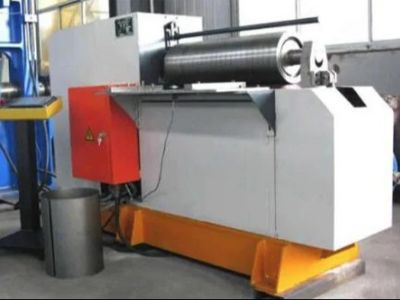
When choosing between a 3 roller and a 4 roller rolling machine, it is important to understand how each design works. A 3 roller machine uses three rollers to bend and form metal sheets. It is often relatively simple to operate and can be suitable for producing curves, cylinders, and other common shapes.
A 3 roller machine can also require less setup for certain applications. This makes it a practical choice for businesses that need straightforward rolling operations or have a variety of smaller projects. A 4 roller machine has an additional roller that provides greater control over the material during the forming process. This design can make positioning and alignment easier and can support accurate rolling, particularly when producing cylindrical or more demanding shapes. Material thickness is another factor to consider. A 3 roller machine can be suitable for many thin- and medium-thickness applications, depending on its specifications. A 4 roller machine can offer greater control and may be better suited to heavier production requirements.
Ultimately, the best choice depends on the application. If simplicity and flexibility are priorities, a 3 roller rolling machine may be appropriate. If positioning, control, and production efficiency are more important, a 4 roller machine may be the better option. WEILI offers both types to help manufacturers select equipment according to their specific requirements.
How to Choose the Right Rolling Machine for Your Manufacturing Needs
Choosing the right rolling machine requires consideration of several factors. Start with the type of material you plan to process. Aluminum and other relatively soft materials may require different machine specifications than steel or other stronger metals. Next, consider the thickness and width of the sheets. Every rolling machine has a specific working capacity, so the selected model should be able to handle the maximum dimensions and thicknesses required for your projects. The shapes you need to produce are also important. If your work involves basic curves and cylindrical forms, a suitable 3 roller machine may provide everything you need. For applications requiring greater control and repeatability, a 4 roller machine may be more appropriate.
Your available workspace should also be considered. Measure the area where the machine will be installed and make sure there is enough room for material loading, operation, maintenance, and safe movement around the equipment. Production volume is another important consideration. If the machine will operate frequently or for long production runs, durability and efficiency should be major priorities. Investing in equipment designed for your workload can help reduce downtime and improve long-term productivity. Finally, consider your budget and ongoing maintenance requirements. The purchase price is only one part of the total cost of ownership. Energy consumption, maintenance, tooling, replacement parts, and technical support should also be considered when comparing different models. WEILI can help buyers evaluate these factors and select a rolling machine that fits their manufacturing requirements.
Where to Find the Best Wholesale Deals on Rolling Machines?
When searching for wholesale deals on 3 roller and 4 roller rolling machines, buyers should compare several suppliers before making a purchase. Online machinery marketplaces can be a useful starting point because they allow buyers to compare machine specifications, prices, and supplier information.
Buying multiple machines may also provide opportunities for bulk pricing. However, buyers should look beyond the initial price and consider shipping, installation, training, maintenance, and after-sales support. Trade shows and industrial exhibitions are another useful source. These events allow buyers to see machines in operation, speak directly with manufacturers, and compare different models. Suppliers may also provide special pricing or customized solutions during these events. Local distributors can be another option, particularly when buyers need local service or faster access to spare parts. However, purchasing directly from a manufacturer can sometimes provide more direct communication and product support. WEILI has 23 years of experience in sheet metal rolling machine manufacturing and offers both 3 roller and 4 roller models. Buyers should also review supplier experience, product specifications, warranties, customer feedback, and technical support before placing a wholesale order.
How to Source High-Quality Rolling Machines at Competitive Prices?
Finding a competitive price is important, but quality should remain a priority. Start by researching manufacturers with experience in producing industrial rolling machines. A supplier with extensive manufacturing experience may have stronger knowledge of machine design, production, and customer requirements. Check the construction and specifications of the machine carefully. Important factors include frame strength, roller capacity, maximum rolling thickness, maximum working width, drive system, control system, and available safety features.
It can also be useful to request product videos, technical drawings, or demonstrations. Seeing the machine in operation can provide a better understanding of its capabilities than photographs alone. Comparing quotations from several suppliers is another good practice. However, do not automatically choose the cheapest option. A lower purchase price may not represent better value if the sheet rolling machine requires frequent repairs or lacks adequate technical support. The warranty should also be reviewed carefully. Buyers should understand what is covered, how long the warranty lasts, and how replacement parts or repairs are handled. Customer service is equally important. Reliable technical support can make a significant difference when installation, operation, maintenance, or troubleshooting assistance is required.
What to Look for in a Wholesale Rolling Machine Supplier?
When choosing a wholesale rolling machine supplier, experience is an important consideration. WEILI has 23 years of experience manufacturing rolling machines, providing knowledge of different industrial applications and production requirements. Customization is another useful feature to look for. Some manufacturers may be able to adjust machine specifications or provide solutions for particular material sizes, thicknesses, or production requirements.
The quality of materials and components used in the machine should also be considered. Strong construction and reliable components can contribute to durability and consistent performance. After-sales service is another key factor. Buyers should ask whether the supplier provides installation guidance, operator training, maintenance assistance, spare parts, and technical support. Delivery capabilities should also be confirmed before placing an order. Make sure the supplier can arrange suitable transportation and provide a clear delivery schedule. Shipping costs should be included when calculating the total purchase cost. Finally, review the supplier's warranty and service terms carefully. A clear warranty can provide additional confidence when making a major equipment investment. By considering experience, customization, construction quality, customer service, delivery, warranty, and technical support, wholesale buyers can make a more informed decision and choose a rolling machine supplier that can support their business over the long term.
Table of Contents
- 3 Roller vs. 4 Roller Rolling Machines: A Buyer’s Guide
- Insights on 3 Roller vs. 4 Roller Options
- How to Choose the Right Rolling Machine for Your Manufacturing Needs
- Where to Find the Best Wholesale Deals on Rolling Machines?
- How to Source High-Quality Rolling Machines at Competitive Prices?
- What to Look for in a Wholesale Rolling Machine Supplier?