 EN
Small vs. Large Hydraulic Press Machines
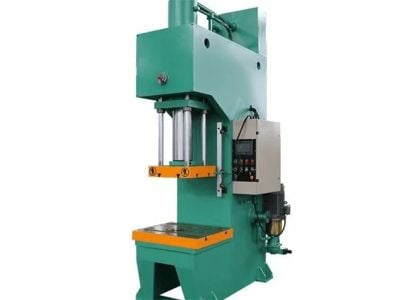
Small hydraulic presses and large hydraulic press machines are important tools used in many industries. Although they can perform similar tasks, they differ in size, capacity, and applications. WEILI offers both types of hydraulic presses to meet different production requirements. Understanding their strengths can help businesses choose the right machine for their needs.
What You Need to Know for Wholesale Buying?
When buying hydraulic presses in bulk, understanding the differences between small and large machines is important. Small hydraulic presses are suitable for tasks such as bending, shaping, and small-scale metalworking. They are often used in workshops or small factories where space is limited. Because they are more compact, they are easier to move and can fit into smaller work areas. This makes them suitable for businesses that work with smaller components or handle specialized projects. Large hydraulic presses, on the other hand, are designed for heavy-duty applications. They can handle larger materials and support high-volume production. These machines are commonly used in industries such as automotive manufacturing, metal forming, and appliance production. For larger operations, investing in a large hydraulic press can help increase production capacity and improve efficiency. However, these machines require more space and usually involve a higher initial investment.
When purchasing wholesale, consider how the hydraulic press will be used. If you need to produce smaller components that require controlled pressing operations, a small hydraulic press brake machine from WEILI may be suitable. If you need to process larger materials or support high-volume production, a large hydraulic press may be a better option. Always check the machine's specifications, working capacity, dimensions, and operating requirements before making a purchase.
How They Meet Industrial Demands?
Both small and large hydraulic presses play important roles in different industries. Small hydraulic presses are useful for prototyping and low-volume production. For example, manufacturers can use them to produce samples or test new components before moving to larger-scale production. Their compact size also makes them useful for workshops, maintenance operations, and specialized manufacturing tasks.
Large hydraulic presses are designed to meet demanding production requirements. They are commonly used for heavy metal forming and other applications that require significant pressing force. Their higher capacity allows manufacturers to process larger components and materials more efficiently. In high-volume production environments, this can help businesses maintain consistent output and meet production deadlines.
Large presses can also be configured for specific manufacturing requirements. Depending on the application, businesses can select machines with suitable capacities, working areas, and control systems. WEILI offers different hydraulic press solutions to help manufacturers select equipment that matches their production requirements. Whether you need a small Electro-hydraulic servo press brake machine for compact operations or a large hydraulic press for demanding industrial applications, understanding the differences between the two can help you make a more informed purchasing decision.
How to Choose the Right Hydraulic Press Machine?
Choosing the right hydraulic press machine for wholesale use requires careful consideration of your production requirements. First, determine the type of work you will perform and the materials you will process. If you need to shape or press small pieces of metal or other materials, a small hydraulic press may be sufficient. Its compact design can also be beneficial for workshops with limited floor space.
If your operations involve heavy materials or large components, a large hydraulic press may be more appropriate. These machines can provide higher pressing capacity and are designed for demanding applications. You should also consider the available space in your workshop or factory because larger machines require sufficient room for installation, operation, and maintenance. The expected workload is another important factor. If the machine will operate frequently, investing in a durable and reliable model can help support consistent production. You should also compare machine specifications, control systems, energy requirements, and safety features. Budget is also important when selecting a press brake machine hydraulic . Instead of considering only the purchase price, evaluate the machine's expected service life, maintenance requirements, and operating costs. Comparing these factors can help you select a machine that provides better long-term value.
Where to Find Quality Hydraulic Presses for Wholesale?
When looking for quality hydraulic presses for wholesale distribution, it is important to work with reliable manufacturers and suppliers. WEILI offers a range of hydraulic press machines designed for different applications and production requirements. Comparing available models can help buyers identify equipment that matches their specific needs. Trade shows and industrial exhibitions are another useful source of information. These events allow buyers to see machines in operation, compare different models, and communicate directly with manufacturers. Asking about machine capacity, operating features, maintenance requirements, and after-sales support can provide valuable information before purchasing. Online reviews and industry resources can also help buyers evaluate different machines. Customer feedback may provide insights into machine performance, reliability, and ease of operation. However, buyers should consider information from several sources rather than relying on a single review. Warranty and technical support should also be part of the purchasing decision. A reliable warranty and responsive support can provide additional protection if maintenance or technical issues arise. By researching manufacturers carefully and comparing specifications, wholesale buyers can find hydraulic presses that provide the performance and reliability their businesses require.
Key Factors for Wholesale Buyers
Wholesale buyers should consider several factors before investing in hydraulic press machines. The first is the type and thickness of the materials being processed. Heavy materials generally require a machine with greater pressing capacity, while lighter materials may be handled effectively by a smaller model. Production speed and efficiency are also important. A machine that can complete tasks efficiently may help businesses increase output and meet customer demands. Safety should never be overlooked either. Hydraulic presses generate significant force, so buyers should look for appropriate safety systems and ensure that operators receive proper training.
Maintenance requirements should also be considered. Understanding how frequently the machine needs servicing and what operating costs may be involved can make it easier to plan a long-term budget. Buyers should also evaluate the manufacturer's reputation, technical support, spare-parts availability, and warranty coverage. By considering machine capacity, material requirements, production volume, available space, safety, maintenance, and total cost of ownership, wholesale buyers can make a more informed decision. Whether a business needs a compact machine for specialized work or a high-capacity machine for heavy production, selecting the right hydraulic press can contribute to better productivity and long-term value.