 EN
EN

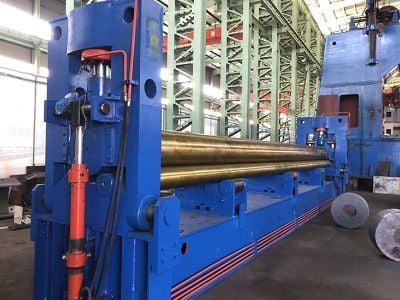
Hydraulic vs. CNC Rolling Machines: Which Is Right?
Choosing the right rolling machine is important for any manufacturing business. WEILI offers both hydraulic rolling machines and CNC rolling machines, giving manufacturers options based on their production requirements. While hydraulic machines use hydraulic pressure to bend metal, CNC machines rely on computer-controlled systems to achieve accurate and repeatable results. The best choice depends on the materials you work with, the size and complexity of your projects, production volume, available space, and budget.
How to Choose Between Hydraulic and CNC Rolling Machines?
When selecting a rolling machine, start by considering the type of projects you will handle. If you regularly work with thick metal sheets or large workpieces, a hydraulic rolling machine can be a practical choice. Its hydraulic system provides strong bending force, making it suitable for demanding applications and heavy materials. A CNC rolling machine may be more appropriate when your work involves smaller, detailed, or highly precise components. Because CNC systems use programmed controls, they can repeat the same rolling operation with consistent results. This can reduce errors and save time when producing multiple identical parts. Workshop space is another consideration. The size of a machine varies depending on its specifications, so buyers should check the required installation area before making a purchase. You should also consider your budget. Although the initial cost of a CNC machine may be higher, its automation and repeatability can help improve productivity and reduce material waste over time. Operator experience should also be considered. Hydraulic machines can be relatively straightforward to operate, while plate rolling machine may require additional training for programming and operation. Choosing equipment that matches your team's skills can help maintain an efficient workflow.
Key Differences Between Hydraulic and CNC Rolling Machines
Hydraulic rolling machines and CNC rolling machines have different operating methods and advantages. Hydraulic rolling machines use hydraulic pressure to move the rollers and apply force to the material. They are generally well suited to heavy-duty applications and thicker metal sheets. One advantage of hydraulic equipment is its strong bending capability. It can handle demanding jobs and is often a practical choice for large workpieces. However, some hydraulic machines may require more manual adjustments, particularly when changing between different production tasks. CNC rolling machines use computer numerical control to manage the rolling process. Operators can program specific parameters and repeat them for multiple workpieces. This makes CNC technology particularly useful when precision and consistency are important.
CNC machines can also make it easier to switch between different programmed jobs. Instead of manually adjusting every setting, operators can use stored programs to reproduce specific operations. However, CNC equipment may require more technical knowledge, and troubleshooting electronic or software-related issues can require specialized support. Maintenance requirements also differ. Hydraulic machines need regular inspection of components such as hydraulic systems, hoses, and fluid levels. press hydraulic machine require attention to both mechanical components and their control systems. Following the manufacturer's maintenance recommendations is essential for either machine.
Benefits of CNC Rolling Machines for Modern Manufacturing
CNC rolling machines have become increasingly useful in modern manufacturing because of their precision, repeatability, and flexibility. One major advantage is their ability to produce consistent parts. Once the correct parameters are programmed, the machine can repeat the same operation across multiple workpieces. This consistency is especially valuable when a manufacturer needs to produce large quantities of identical components. Accurate rolling can also reduce material waste caused by incorrect bends or repeated adjustments.
Another advantage is production efficiency. CNC machines can automate many aspects of the rolling process, reducing the amount of manual intervention required. Operators can spend more time monitoring production and handling other tasks rather than repeatedly adjusting the machine. CNC technology also provides flexibility. When production requirements change, operators can modify or select different programs instead of manually setting up every operation from the beginning. This can make the machine useful for manufacturers producing different designs or product sizes. WEILI's CNC rolling machines are designed to support modern manufacturing requirements by combining computerized control with rolling capabilities. For businesses that prioritize precision, repeatability, and efficient production, CNC technology can be a valuable investment.
How to Maximize Rolling Machine Production Efficiency?
Getting the best performance from a rolling machine requires more than choosing the right equipment. Proper maintenance, operator training, and efficient production planning are also important. First, select a machine according to your actual production requirements. If your factory regularly produces large quantities of identical parts, a CNC rolling machine may help improve consistency and production speed. For heavy-duty applications involving thick materials, a hydraulic rolling machine may be more suitable. Regular maintenance is equally important. Hydraulic machines should be inspected regularly to ensure that hydraulic fluid, hoses, connections, rollers, and other components are in good condition. CNC machines should also receive routine mechanical inspections, along with checks of their control systems and software. Operator training can further improve efficiency. Workers should understand the machine's controls, safety procedures, material requirements, and basic troubleshooting processes. Proper training can reduce operating mistakes and help prevent unnecessary downtime. Factories should also review their workflow regularly. Improving material handling, reducing unnecessary setup time, and organizing production schedules can make the entire process more efficient. WEILI can provide machine-related support and guidance to help operators use their equipment effectively.
It is also important to avoid common misconceptions. Hydraulic rolling machines are not automatically better than CNC machines, and CNC machines are not necessarily the best choice for every application. Hydraulic equipment can provide strong performance for heavy-duty work, while CNC technology offers advantages in precision, repeatability, and automation. CNC machines may require additional training, but modern systems can be designed with user-friendly controls. They are also not limited to large factories. Smaller manufacturers can benefit from CNC technology when their production requires consistent and accurate results. Ultimately there is no single rolling machine that is ideal for every manufacturer. By comparing material requirements, production volume, precision, operating skills, maintenance needs, and budget, businesses can determine whether a hydraulic or CNC rolling machine is the better fit. With the right equipment and proper operating practices, manufacturers can improve productivity, reduce waste, and achieve more consistent results.