 EN
EN

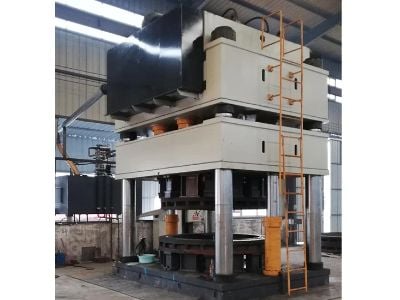
Hydraulic Rolling Machine for Shipbuilding
Choosing the right hydraulic rolling machine for shipbuilding is important because these machines help shape metal plates into the curved forms needed for ship construction. A reliable machine can improve productivity, accuracy, and workplace safety. When selecting equipment, buyers should consider capacity, precision, durability, safety features, ease of operation, and long-term maintenance costs. WEILI provides hydraulic rolling machines designed to meet demanding industrial applications. This article explains what to look for in a high-quality machine, common operating issues, important features, and factors to consider when comparing prices.
What to Look for in a High-Quality Hydraulic Rolling Machine?
When searching for a high-quality hydraulic rolling machine, the first factor to consider is its working capacity. Shipbuilding often involves large and thick metal plates, so the machine must be able to handle the required material thickness and width. Choosing equipment with the correct capacity helps prevent excessive strain and allows operators to achieve consistent results. WEILI offers machines in different configurations, making it easier for businesses to select equipment that matches their production requirements. Build quality is another important consideration. A strong frame and durable components can help the machine remain stable while processing heavy metal plates. Stability is especially important during rolling because unwanted movement or vibration can affect the shape of the finished plate. A well-built machine can also provide more consistent performance over a longer service life.
Ease of operation should also be considered. A complicated control system can increase the learning time for new operators and may result in avoidable mistakes. A user-friendly control system allows workers to adjust machine settings more efficiently and focus on the rolling process.
Safety features are equally important in shipbuilding environments. Operators work with heavy metal plates and powerful machinery, so the equipment should include appropriate safety systems, such as emergency stop controls and protective devices. Businesses should also make sure workers receive proper training before operating the equipment. Finally, consider technical support and after-sales service. Regular maintenance is necessary to keep a hydraulic machine rolling operating properly. Choosing a manufacturer that provides technical assistance, maintenance guidance, and replacement-part support can make equipment ownership easier over time.
Common Issues When Using Hydraulic Rolling Machines in Shipbuilding
Although a hydraulic rolling machine can provide reliable performance, improper operation and insufficient maintenance can lead to problems. One common issue is hydraulic fluid leakage. Damaged hoses, loose connections, or worn seals may cause fluid to escape. If a leak is ignored, the machine may lose hydraulic pressure and fail to operate efficiently. Regular inspections can help identify these problems before they become more serious. Uneven rolling is another potential issue. If the metal plate is not positioned correctly or the machine settings are unsuitable for the material, the finished plate may have unwanted waves or irregular curves. Operators should carefully check the plate position and adjust the machine according to the thickness, width, and material characteristics. Wear and tear can also affect machine performance. Rollers, seals, hydraulic components, and other parts may gradually deteriorate through regular use. A planned maintenance schedule can help identify worn components early and reduce unexpected downtime.
Operator training is another important factor. Even a high-quality metal rolling machine can produce poor results when it is operated incorrectly. Workers should understand the machine's controls, recommended operating procedures, material limitations, and safety requirements. Proper training helps reduce errors and protects both employees and equipment. Keeping the working environment clean is also useful. Dirt, metal particles, and other debris can affect machine components and create unnecessary maintenance problems. Regular cleaning and inspection can help maintain stable performance.
Key Features of a Hydraulic Rolling Machine for Shipbuilding
A suitable hydraulic rolling machine should provide the strength and precision needed to process large metal plates. Capacity is one of the most important features because shipbuilding projects often require thick and wide materials. Before purchasing a machine, buyers should determine the maximum plate thickness and width they expect to process. Precision is another key feature. Ship components need to meet specific dimensions and shapes, so accurate rolling is essential. A machine that provides consistent control can help operators achieve more uniform results across different production batches.
The control system should also be easy to understand. Clear controls allow operators to adjust settings efficiently and reduce the possibility of incorrect operation. This can be especially useful in facilities where multiple workers use the same equipment. Durability is equally important. Shipbuilding environments can involve heavy workloads and demanding operating conditions. A durable machine can withstand regular production requirements while reducing the likelihood of frequent breakdowns. Safety should never be overlooked. Emergency stop buttons, protective systems, and appropriate operating procedures can help reduce workplace risks. Companies should also combine machine safety features with proper employee training and routine inspections. Another useful consideration is maintenance accessibility. Equipment that allows technicians to inspect and service important components more easily can help reduce maintenance time. Choosing a machine designed for long-term industrial use can support more stable production.
Benefits and Cost Considerations When Investing in a Stable Hydraulic Rolling Machine
Investing in a stable hydraulic rolling machine can provide several advantages for shipbuilding companies. One major benefit is improved productivity. When equipment operates consistently, workers can complete rolling operations with fewer interruptions. This can help companies maintain production schedules and meet project deadlines. A stable machine can also contribute to better product quality. Consistent rolling pressure and accurate machine adjustments help operators create smoother and more uniform curves. Better results can reduce the amount of rework required after rolling, saving both materials and labor. Reliability can also lower long-term operating costs. A machine with good build quality may require fewer unexpected repairs when it is properly maintained. Although the initial purchase price can be an important consideration, buyers should also evaluate maintenance requirements, energy consumption, replacement parts, and expected service life.
When comparing the prices of different hydraulic rolling machines, buyers should examine more than the initial cost. Advanced controls, higher capacity, improved safety systems, and stronger construction may increase the purchase price, but these features can provide greater value over the equipment's service life. Warranty coverage and technical support should also be included in the comparison. A strong warranty can provide additional protection if a manufacturing or component problem occurs. Reliable technical support can also help businesses resolve operating issues more quickly.
It is useful to request quotations from several suppliers and compare their specifications carefully. Buyers should make sure they are comparing machines with similar capacities and features rather than choosing based only on the lowest price. In the end, selecting the right hydraulic sheet rolling machine for shipbuilding requires careful consideration of capacity, precision, durability, safety, maintenance, and total ownership costs. A stable machine can help improve productivity, maintain consistent quality, and reduce unnecessary downtime. By evaluating these factors carefully, shipbuilding companies can choose equipment that supports their production needs and provides reliable long-term performance.