 EN
EN

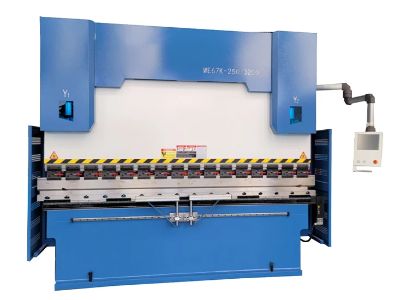
CNC Press Brake vs Hydraulic Press Brake
When running a wholesale business, choosing the right press brake is very important. You need a machine that matches your production requirements, material types, budget, and workforce while helping you maintain consistent product quality. Two common options are CNC press brakes and hydraulic press brakes. Each type has its own advantages, making it important to understand their differences before making a purchase. At WEILI, we understand how important the right equipment can be for manufacturing operations. This guide explains how to compare these machines, find good purchasing opportunities, avoid common buying mistakes, and source quality CNC equipment for wholesale production.
How to Choose the Right Press Brake for Your Wholesale Business?
When selecting a press brake, start by considering the products you plan to manufacture. If your wholesale business produces different products with complex bending requirements, a CNC press brake may be a suitable choice. CNC technology allows operators to program bending sequences and repeat them with consistent results. This can be especially useful when production involves multiple angles, dimensions, or product designs.
A hydraulic press brake may be more suitable if your business mainly produces simple shapes or handles large volumes of similar products. Hydraulic systems can provide strong bending force and are commonly used for processing thicker materials. Their operating process can also be relatively straightforward, which may make them suitable for businesses with less experience using advanced automated equipment. Production volume is another important consideration. If you frequently change between different products, a CNC press brake can help reduce manual adjustments by allowing operators to save and reuse programs. This can improve workflow efficiency and reduce setup time. Your budget should also be considered. CNC equipment may require a higher initial investment because of its computerized controls and advanced functions. However, the improved productivity and repeatability may provide greater value over time. Hydraulic equipment can offer strong performance while providing a different balance between purchase cost and operating requirements. Available factory space is another factor. Before purchasing a press bending brake, measure the available installation area and consider space for material handling and operator movement. The machine should fit comfortably within the production environment.
Finally, consider your workforce. Operators who are familiar with computerized systems may quickly adapt to CNC equipment. If your team has limited experience with programming, a hydraulic machine with simpler controls may be easier to learn. Training and supplier support can also make a significant difference when introducing new equipment.
What Are the Key Differences Between CNC and Hydraulic Press Brakes?
The main difference between CNC and hydraulic press brake systems is their control and operating approach. CNC press brakes use computerized controls to manage bending operations. Operators can enter or select programmed parameters, helping the machine perform repeated bending operations consistently. This flexibility makes CNC equipment useful for businesses producing multiple product designs. Instead of manually adjusting every operation, operators can use stored programs for recurring jobs. This can improve productivity and help reduce errors caused by manual adjustments.
Hydraulic press brakes use hydraulic power to generate the force required to bend metal. They are known for their strong bending capability and can be suitable for demanding applications involving thicker materials. Their simpler operating structure can also make them practical for certain production environments. Speed and setup requirements can differ between machines. A CNC press brake may reduce setup time when multiple jobs are programmed in advance. This is particularly useful when production frequently changes between different designs. Hydraulic equipment can still provide efficient production, especially when used for repetitive operations. Precision is another consideration. CNC controls can provide highly consistent positioning and bending sequences, which is valuable when products require repeatable dimensions. Hydraulic machines can also produce accurate bends when properly configured and operated.
Maintenance requirements can also vary. CNC equipment contains electronic controls and computerized components that may require specialized technical support. Hydraulic equipment requires attention to hydraulic components, fluid levels, seals, and other mechanical parts. Neither option is automatically better for every business. The right press brake machine depends on material thickness, product complexity, production volume, required precision, operator skills, budget, and maintenance capabilities. By comparing these factors, wholesale buyers can select equipment that supports their specific production goals.
Where to Find Good Deals on CNC and Hydraulic Press Brakes?
Finding a good deal on a press brake requires more than simply searching for the lowest price. Start by researching machinery suppliers and manufacturers that specialize in metalworking equipment. Online machinery marketplaces can provide a convenient way to compare different models, specifications, and prices. Trade shows and machinery exhibitions are another useful option. These events allow buyers to see machines in person, communicate directly with suppliers, and learn about available technologies. Some suppliers may also provide promotional pricing or special offers during industry events.
Local machinery dealers can also be worth considering. They may offer both new and used equipment, giving buyers more options based on their budgets. When purchasing used equipment, inspect the machine carefully and, if possible, observe it operating before completing the purchase.
Wholesale buyers should also ask suppliers about volume discounts. Purchasing multiple machines or establishing a long-term business relationship may create opportunities for better pricing. However, buyers should always compare the complete package, including installation, training, warranty, shipping, and technical support. WEILI offers CNC and hydraulic press brake press options for different manufacturing applications. When comparing equipment from WEILI or other suppliers, review the technical specifications carefully and make sure the selected machine matches your production requirements.
Online promotions can also provide savings, but buyers should avoid making a decision based only on a temporary discount. A lower purchase price is not necessarily a better investment if the machine lacks the required performance or after-sales support.
Industry associations, professional forums, and business networks can provide additional information. Other manufacturers may share their experiences with different suppliers and machine models. These recommendations can help buyers identify potential suppliers and avoid unreliable purchasing options.
What to Check Before Buying a Quality CNC Press Brake?
Before purchasing a CNC press brake, carefully inspect both the machine and the supplier. Start by reviewing the machine's technical specifications. Important factors include maximum bending force, bending length, material thickness, working speed, control system, and compatibility with the materials you intend to process. If you are purchasing used equipment, look for signs of excessive wear. Check the frame, tooling, hydraulic components, electrical system, controls, and other major parts. Ask the seller about the machine's operating history and maintenance records.
For CNC equipment, the control system deserves special attention. Make sure the software and interface are suitable for your operators. A machine with advanced functions may not provide much value if your team cannot use them effectively. Training from the supplier can help operators understand programming and machine operation. Hydraulic systems should receive particular attention when purchasing hydraulic equipment. Check for leaks, unusual sounds, pressure problems, and signs of component damage. Proper maintenance history can provide useful information about the condition of the machine. Warranty and after-sales service are also important. A good supplier should provide clear information about warranty coverage, spare parts, maintenance, and technical support. Reliable support can reduce downtime if problems occur after installation.
Price should be evaluated alongside long-term value. A cheaper press brake may seem attractive initially, but frequent repairs, limited support, or poor productivity can increase operating costs. Spending more on reliable equipment can sometimes reduce total costs over the machine's service life.
WEILI provides press brake solutions for different industrial requirements, but buyers should always evaluate the specifications and services offered against their own needs. Taking time to compare suppliers and equipment can help wholesale businesses make a more confident investment.
For businesses sourcing equipment in larger quantities, it is also useful to establish a clear purchasing plan. Determine your required production capacity, preferred machine specifications, budget, delivery schedule, and support requirements before contacting suppliers. This makes it easier to compare offers fairly. In the end, choosing between a CNC and hydraulic press brake depends on what your wholesale business needs most. CNC models are well suited to complex, varied, and repeatable production, while hydraulic models can be valuable for strong, straightforward bending operations. By comparing machine capabilities, supplier reliability, maintenance requirements, pricing, and after-sales support, you can select equipment that supports efficient production and long-term business growth.