 EN
EN

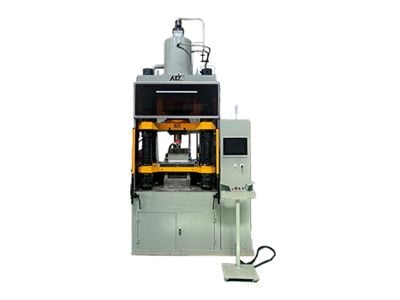
Hydraulic vs. CNC Press Brake: What Buyers Need to Know?
When it comes to bending metal sheets, two popular options are the hydraulic press brake and the CNC press brake. Both machines are designed to shape metal, but they use different technologies and offer different advantages. Understanding these differences can help wholesale buyers select the right equipment for their production needs. WEILI provides press brake machines for various applications, allowing businesses to choose equipment based on material thickness, production volume, precision requirements, and budget. Whether you work with small sheets or heavy metal plates, selecting the appropriate machine can improve both productivity and product quality.
What Wholesale Buyers Need to Know?
Before purchasing a press brake, wholesale buyers should first consider the type of work the machine will perform. Hydraulic press brakes use hydraulic pressure to generate the force needed to bend metal. They are known for their strength and are commonly used for demanding applications involving thicker materials. Hydraulic machines can also be relatively straightforward to operate and maintain. Their strong construction makes them suitable for heavy-duty work, while their generally lower purchase cost can make them attractive to smaller businesses and workshops.
CNC press brakes, on the other hand, use computer numerical control to manage the bending process. Operators can program specific bending sequences, angles, and dimensions, allowing the machine to produce complex shapes with a high level of consistency. This makes CNC press brakes particularly useful for production environments where many identical parts are required. However, CNC machines can have a higher initial cost and may require operators with programming and machine-control skills. Buyers should therefore consider not only the purchase price but also training, maintenance, and long-term operating costs. Other factors to consider include the working length, maximum bending force, material thickness, production volume, available workspace, and required accuracy. WEILI offers both cnc hydraulic press and CNC press brake options, allowing buyers to select equipment according to their specific production requirements.
Hydraulic vs. CNC Press Brake: Key Differences
Hydraulic and CNC press brake machines both bend metal, but they operate differently. A hydraulic press brake uses hydraulic power to generate the force required for bending. This makes it well suited to heavy-duty applications and thicker metal sheets. A CNC press brake uses computerized controls to guide the bending operation. The operator can enter specific parameters, and the machine follows the programmed instructions. This allows it to produce complicated bends and repeat the same operation consistently.
One major advantage of hydraulic press brakes is their ability to handle demanding applications. They can provide substantial bending force and are suitable for workshops that regularly work with thick or strong materials. They can also be a practical option when production requirements are relatively straightforward. CNC press brakes are particularly useful when precision and repeatability are important. For example, a manufacturer producing hundreds of identical metal components can use programmed settings to help maintain consistent bending results. This can reduce manual adjustments and minimize production variations. The best choice depends on the application. Businesses that prioritize heavy-duty bending and straightforward operation may prefer hydraulic equipment, while manufacturers that require complex shapes, repeatability, and automated control may benefit more from CNC technology.
How Press Brake Machines Improve Precision and Efficiency?
Precision is essential in metal fabrication because even small differences in bending angles or dimensions can affect how components fit together. CNC press brakes are especially effective when consistent results are required. Once the correct parameters are programmed, the machine can repeat the same bending sequence across multiple workpieces. This repeatability can be valuable for automotive components, machinery parts, construction products, and other applications where identical pieces are needed. Automated control can also reduce the amount of manual adjustment required during production.
Hydraulic press brakes can also provide accurate bending when properly configured and operated. Their strength makes them useful for thick materials and demanding jobs. Although some applications may require more manual setup than CNC equipment, hydraulic machines can still deliver reliable results when the correct tooling and settings are used. Efficiency is another important consideration. CNC press brakes can reduce setup and adjustment time for repeat production, allowing businesses to produce larger quantities more efficiently. hydraulic cylinder for hydraulic press may be more suitable for jobs where flexibility and high bending force are more important than automated production. For some businesses, using both types of machines can provide the greatest flexibility. A hydraulic press brake can handle heavy-duty applications, while a CNC press brake can be used for precise and repetitive work.
How to Choose the Right Press Brake for Your Business?
Choosing the right press brake requires a clear understanding of your production requirements. Start by considering the type and thickness of the metal you will bend. If your business frequently handles thick and heavy materials, a hydraulic press brake from WEILI may be a suitable option. If your production involves large quantities of identical components or complex bending sequences, a CNC press brake may provide greater efficiency and repeatability. The machine's working length and tonnage should also match the size and thickness of your materials. Production speed is another factor. A faster machine can help businesses complete orders more quickly, but speed should not come at the expense of accuracy or safety. Buyers should consider the complete production process rather than focusing on one specification.
Cost is also important. Instead of looking only at the initial purchase price, consider the machine's operating costs, maintenance requirements, expected lifespan, and productivity. A machine with a higher upfront price may provide better long-term value if it improves production efficiency and reduces waste.
Finally, consider operator training and after-sales support. Equipment that is difficult to operate can slow production, while reliable technical support can help reduce downtime when problems occur. WEILI provides customer support for its machines, helping businesses maintain their equipment and keep production running smoothly. Overall, brake press and CNC press brakes each have their own advantages. Hydraulic press brakes are well suited to strong, heavy-duty bending applications, while CNC press brakes are ideal for precise, repeatable, and complex production work. By comparing your material requirements, production volume, accuracy needs, budget, and available workforce, you can select the press brake that best supports your wholesale business.