 EN
EN

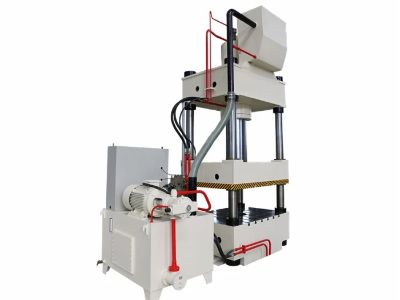
How to Choose the Right Hydraulic Press Brake Tonnage?
Choosing the right tonnage for your hydraulic press brake machine is important for achieving accurate and consistent results. At WEILI, we understand that using the correct amount of force can make a big difference when bending metal plates. If you use too little force, the metal may not bend properly. If you use too much force, you could damage the material or put unnecessary stress on the machine. The tonnage you need depends on several factors, including the thickness, type, width, and bending method of the plate. Understanding these factors can help you avoid mistakes and complete your work efficiently.
What Tonnage Do You Need for Your Hydraulic Press Brake Machine?
Tonnage refers to the amount of force a hydraulic press brake can apply during the bending process. Different materials require different amounts of force to bend correctly. For example, mild steel generally requires less force than stainless steel because stainless steel has greater strength and resistance to deformation. Plate thickness is one of the most important factors. Thicker plates generally require more tonnage because they are harder to bend. However, there is no single tonnage value that applies to every job. The required force also depends on the material, bend length, tooling, and bending method.
The width or bend length of the workpiece also affects the required tonnage. A longer bend generally requires more force than a shorter bend when other conditions remain the same. For example, bending a long steel plate requires more total force than bending a shorter plate of the same thickness.
Tooling is another important consideration. The selected die opening and punch configuration can affect the force required for bending. The condition and specifications of the press brake should also be considered when determining the appropriate capacity. Therefore, when selecting a hydraulic press brake machine, consider the material type, plate thickness, bend length, tooling, and production requirements. Choosing a machine with sufficient capacity can help ensure reliable and efficient bending.
Common Usage Issues With Hydraulic Press Brake Tonnage
Using incorrect tonnage can lead to several problems. One common issue is overloading the machine. Applying more force than necessary can put excessive stress on the hydraulic system, tooling, and other machine components. It may also damage the workpiece. Another problem is underestimating the required tonnage. If the machine does not provide enough force, the material may not reach the desired bend angle. This can result in incomplete or inconsistent bends and may require additional processing. Incorrect tonnage calculations can also contribute to uneven bends. If the machine settings are not properly matched to the material and tooling, the finished workpiece may not meet the required dimensions.
Operator training is therefore important. Workers should understand the factors that influence bending force and follow the machine manufacturer's recommended operating procedures. They should also verify the material specifications and tooling before beginning production. Safety is equally important. Operators should never exceed the rated capacity of the Electro-hydraulic servo press brake machine or its tooling. At WEILI, proper operation, maintenance, and training are essential for achieving reliable bending performance.
What Factors Affect Hydraulic Press Brake Tonnage?
Several factors determine how much tonnage is required when bending metal plates. The first is material thickness. Thicker materials generally require greater force than thinner materials. The second factor is material type. Metals have different tensile strengths and forming characteristics. Softer materials, such as some aluminum alloys, may require less force, while stronger materials, such as stainless steel, can require significantly more.
Bend length is another major factor. As the length of the bend increases, the required force generally increases as well. This is why the same thickness of material may require different machine capacities depending on the length being bent. The die opening and tooling configuration also affect the required force. A wider or narrower die opening can change the force needed to achieve the desired bend. The selected bending method, such as air bending or bottom bending, should also be considered.
Finally, the desired bend angle and workpiece shape can influence the calculation. Because many variables are involved, it is better to use the manufacturer's tonnage charts or an appropriate bending-force calculation rather than relying on a simple rule of thumb. At WEILI, understanding these factors can help buyers select a hydraulic press brake machine with the appropriate capacity for their applications.
Where to Buy a Hydraulic Press Brake Machine at a Good Price?
If you want to buy a hydraulic press brake machine at a competitive price, start by researching reliable manufacturers and wholesale suppliers. Wholesale suppliers may provide more competitive pricing, particularly for larger orders. Before purchasing, compare machine specifications carefully. Make sure the machine has sufficient tonnage and working length for the materials and applications you plan to handle. You should also consider factors such as machine construction, control systems, tooling compatibility, maintenance requirements, and after-sales support. Reading customer reviews can also provide useful information about machine performance and supplier service. Trade shows and industrial machinery exhibitions are another good way to compare different machines and speak directly with manufacturers. At WEILI, we offer hydraulic bending brake machines designed for different plate-bending requirements. When comparing suppliers, remember to look beyond the purchase price. Warranty coverage, spare parts availability, technical support, and machine durability can all affect the overall value of your investment.
How to Optimize Your Hydraulic Press Brake Machine?
After purchasing a hydraulic press brake machine, proper operation and maintenance can help maximize its performance. Regular maintenance should include checking hydraulic fluid, inspecting components, cleaning the machine, and following the manufacturer's recommended maintenance schedule.
Correct machine settings are also essential. Before each job, verify that the tonnage, tooling, bend length, and other settings are suitable for the material being processed. Using the appropriate settings can improve accuracy while reducing unnecessary stress on the machine and workpiece.
Operator training is another important part of optimization. Workers should understand how to operate the machine safely, select appropriate tooling, and recognize potential problems before they become serious. Production planning can also improve efficiency. Using suitable calculation tools or software can help operators determine bending sequences, tooling requirements, and appropriate machine settings before production begins.
By combining proper tonnage selection, regular maintenance, correct tooling, operator training, and careful production planning, you can improve the efficiency and reliability of your hydraulic bending press machine. A properly selected and maintained WEILI hydraulic press brake machine can provide consistent performance while helping reduce material waste and unnecessary downtime.